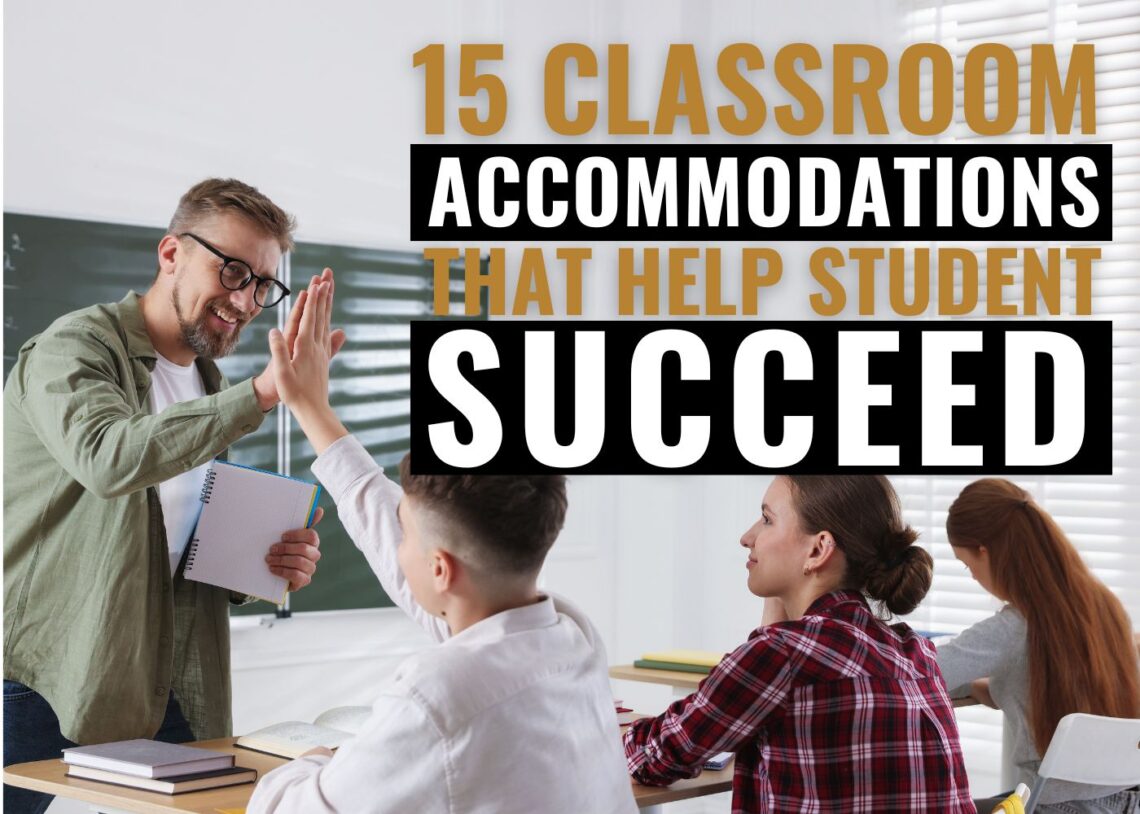
15 Classroom Accommodations That Can Make School Easier for Students with Special Needs
Written by: Quennie Lim
Before We Begin: Every Student Is Unique
Before we look at these accommodations, it is important to remember that there is no one-size-fits-all approach in special education. Every student has different strengths, challenges, interests, and learning styles. An accommodation that works well for one student may not be effective for another.
The IEP or 504 team carefully selects accommodations based on the student's individual needs, classroom performance, and educational goals. These supports should be reviewed regularly and adjusted as the student grows and becomes more independent.
Every Student Deserves the Opportunity to Succeed
Every student learns differently. Some students need extra support to fully participate in classroom learning. Classroom accommodations help remove barriers so students can learn, grow, and feel successful.
Accommodations are commonly included in an Individualized Education Program (IEP) or a 504 Plan. These supports do not lower academic expectations. Instead, they provide students with the tools they need to access learning more effectively.
Below are 15 common classroom accommodations that can make a positive difference for students with special needs.
1. Extra Time on Assignments and Tests
Some students need additional time to read, write, or process information. Giving extra time allows them to demonstrate what they know without feeling rushed. This accommodation often reduces stress and improves performance.
Parents, teachers, and students should also understand how much extra time is appropriate. Giving too much time may unintentionally lead to procrastination or cause assignments to pile up, leaving students feeling overwhelmed. The goal is to provide enough extra time to support learning while still encouraging responsibility and good time management.
2. Preferential Seating
This is one of my favorite accommodations because it gives students the opportunity to learn in an environment where they can be most successful. When used thoughtfully, it also helps students feel supported rather than singled out.
Sitting near the teacher or away from distractions can improve attention and focus. Some students also benefit from sitting near positive role models or closer to classroom instruction. Sometimes, a simple change in seating can make a significant difference in learning.
3. Graphic Organizers
Graphic organizers help students organize their thoughts before writing or solving problems. They make information easier to understand by breaking it into smaller, manageable parts. Many students feel more confident when using visual tools.
Many students with special needs have difficulties with executive functioning, which can make it challenging to organize their thoughts and ideas. Graphic organizers allow students to see their thinking on paper and better understand what is expected. With consistent practice and support, many students become more confident writers and problem-solvers.
4. Visual Supports
This is another accommodation that I highly recommend. Many students benefit from seeing information presented visually because it helps them better understand and remember concepts.
Pictures, diagrams, charts, schedules, color-coded materials, and visual reminders help students understand classroom expectations and lesson content. Visual supports improve organization, reduce confusion, and make learning more accessible for many students.
5. Teacher Check-Ins
Some students benefit from brief check-ins during independent work. A quick conversation helps make sure they understand directions and stay on task. Regular encouragement also builds confidence.
Teachers should remember that students learn at different rates. Some students understand a new concept quickly, while others need additional explanations, practice, or examples before they fully understand.
Checking in with students gives them an opportunity to ask questions and clarify misunderstandings. More importantly, it helps students feel heard, supported, and encouraged throughout the learning process.
6. Written and Verbal Directions
Students may forget verbal instructions or misunderstand them. Providing directions both verbally and in writing gives students another way to review expectations. This simple accommodation reduces confusion and promotes greater independence.
7. Checklists
Large assignments can feel overwhelming. Checklists break tasks into smaller, manageable steps so students can monitor their progress. Completing one step at a time helps students stay motivated and organized.
Some students struggle to follow multi-step directions. Teachers can make tasks more manageable by simplifying instructions into shorter steps. Highlighting or underlining the most important directions can also help students focus on what they need to do first.
8. Reduced Distractions During Testing
Some students perform better in a quiet environment. Taking a test in a separate room or quieter location allows them to focus without unnecessary distractions. This helps students demonstrate what they truly know instead of being distracted by the environment.
9. Speech-to-Text Technology
Students who have difficulty writing can use speech-to-text tools to dictate their ideas. This allows them to focus on expressing their thoughts instead of struggling with handwriting or typing.
Technology can increase both confidence and productivity while allowing students to demonstrate their knowledge more effectively.
10. Text-to-Speech Support
Text-to-speech software reads digital text aloud. This helps students who have difficulty reading, decoding words, or maintaining attention while reading. Listening while following along can also improve reading comprehension and confidence.
11. Frequent Breaks
Some students need short movement or sensory breaks to stay focused. Brief breaks help reduce stress and improve attention when they return to learning. Even a few minutes can make a big difference.
Movement breaks can be simple. Students might take a short walk to the restroom, stretch, deliver a note to another teacher, or complete a small classroom errand. These activities provide a chance to reset while also giving students a sense of responsibility before returning to class ready to learn.
12. Copies of Class Notes
Writing notes while listening can be difficult for some students. Providing printed or digital notes allows students to focus on understanding the lesson instead of trying to write everything down.
Students can also review the notes later at home. Some students benefit from larger print, bolded text, or color-coded notes to make important information easier to see and remember.
13. Flexible Ways to Show Learning
Not every student demonstrates knowledge best through written work. Some students may explain their answers verbally, create a presentation, record a video, or complete a project instead.
Providing different ways for students to demonstrate their learning allows them to show what they know while recognizing their individual strengths.
14. Positive Behavior Supports
Positive reinforcement encourages students to make good choices. Praise, reward systems, and clear expectations help students develop positive classroom habits and increase motivation.
Rewards may be tangible, such as stickers or small prizes, or intangible, such as praise, extra privileges, or positive feedback. The best reinforcement is one that is meaningful and motivating for the individual student.
15. Regular Communication Between Home and School
Parents and teachers are most effective when they work together. Sharing updates about progress, concerns, and successes helps everyone provide consistent support for the student.
Strong communication builds trust, strengthens partnerships, and leads to better outcomes. When families and schools work as one team, students are more likely to feel supported both at home and in the classroom.
Frequently Asked Questions (FAQ)
What are classroom accommodations?
Classroom accommodations are supports that help students with disabilities access learning without changing the academic standards. They are designed to remove barriers and provide equal opportunities for success.
Do accommodations make learning easier?
Accommodations make learning more accessible, but they do not reduce expectations. Students are still responsible for learning the same academic content as their classmates.
Who decides which accommodations a student receives?
The IEP team or 504 team decides which accommodations are appropriate. This team includes parents, teachers, specialists, school staff, and, when appropriate, the student.
Can accommodations change over time?
Yes. Accommodations should be reviewed regularly and updated as a student's needs, skills, and independence grow.
Why is self-advocacy important?
Students who understand their accommodations and can respectfully ask for them become more independent. Self-advocacy is a valuable skill that supports success in school and later in life.
If this article helped you better understand classroom accommodations, share it with another parent, teacher, or caregiver. Together, we can create learning environments where every student feels supported, included, and successful.

You May Also Like
How Classroom Accommodations Support Student Success
Why Are Schedules Important for People with Autism?