Why Are Schedules Important for People with Autism?
Written By Quennie Lim .tpa-blog-wrap { max-width: 900px; margin: 0 auto; padding: 40px 25px; font-family: Arial, sans-serif; color: #333333; line-height: 1.8; font-size: 18px; background: #ffffff; } .tpa-blog-title { font-family: ‘Oswald’, sans-serif; font-size: 55px; color: #ca9b52; line-height: 1.15; margin-bottom: 20px; text-align: center; font-weight: 600; } .tpa-blog-subtitle { font-family: ‘Oswald’, sans-serif; font-size: 28px; color: #ca9b52; line-height: 1.3; margin-top: 40px; margin-bottom: 18px; font-weight: 500; } .tpa-blog-wrap p { font-size: 18px; margin-bottom: 18px; } .tpa-blog-wrap ul { margin: 0 0 25px 20px; padding-left: 15px; } .tpa-blog-wrap li { margin-bottom: 12px; font-size: 18px; } .tpa-highlight-box { background: #faf7f2; border-left: 5px solid #ca9b52; padding: 22px; margin: 30px 0; border-radius: 8px; } .tpa-cta-box { background: #f8f8f8; border:…
Why Isn’t My Child Speaking? Understanding the Reasons Behind Silence
Written By Quennie Lim Understanding Why a Child May Not Speak or Respond Many parents feel worried when their child does not speak, does not smile at strangers, or does not respond when spoken to. These are very common concerns, especially for parents of children with autism. The good news is that there can be many reasons behind it. Understanding those reasons can help you respond with more patience, confidence, and support. Common Questions Parents Ask Why doesn’t my child smile at strangers? Why is my child not speaking to me or to anyone? Is my child listening to me even if he is not speaking? Reasons Why a Child…
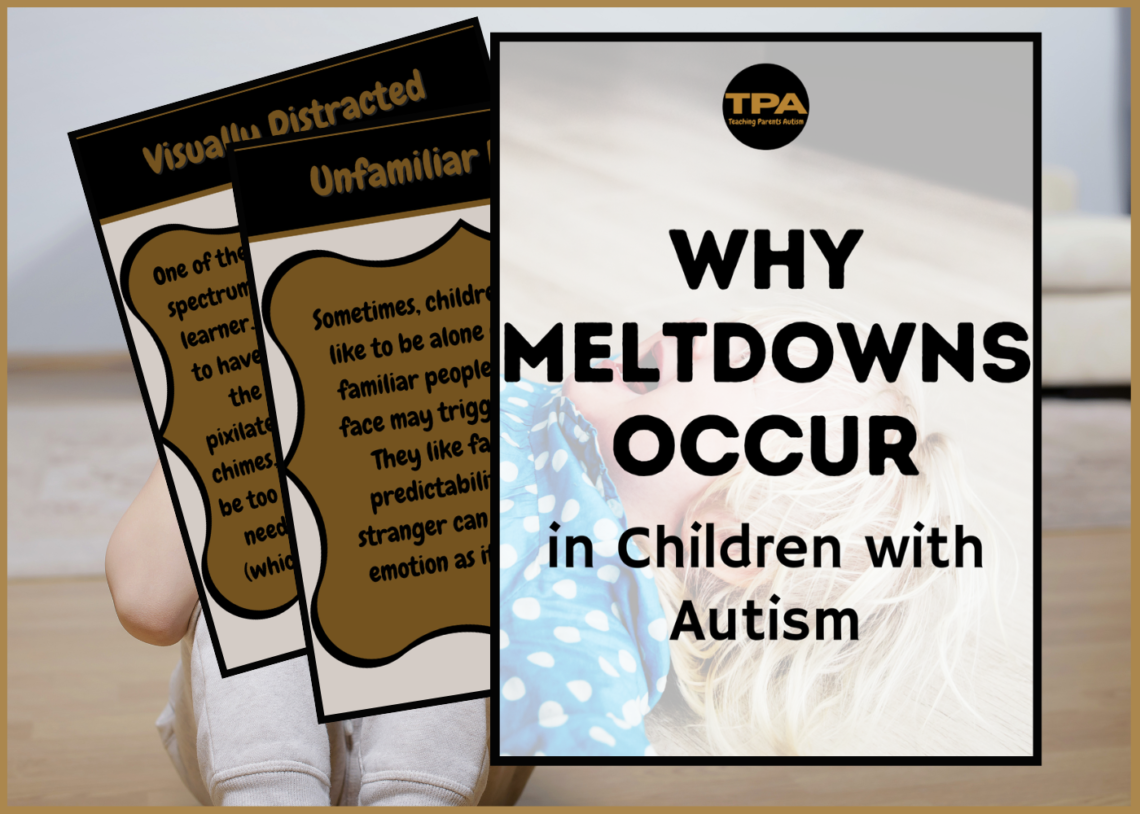
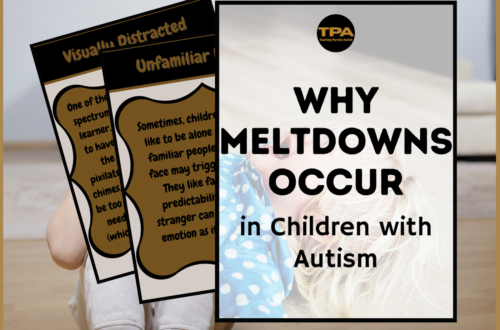
Why Meltdowns Occur in Children with Autism
Written By Quennie Lim Meltdowns can be intense and emotional, but they are not simply bad behavior. In many cases, they are a child’s response to feeling overwhelmed, distressed, or unable to communicate what they need. Understanding Meltdowns Meltdowns can be overwhelming for both children and parents. Understanding why they happen is one of the most important steps in supporting your child with patience, empathy, and confidence. Meltdown vs. Tantrum: Tantrums usually happen when a child wants something and does not get it. A meltdown, however, is often a response to being overwhelmed and unable to cope with what is happening internally or externally. A meltdown is a strong emotional…
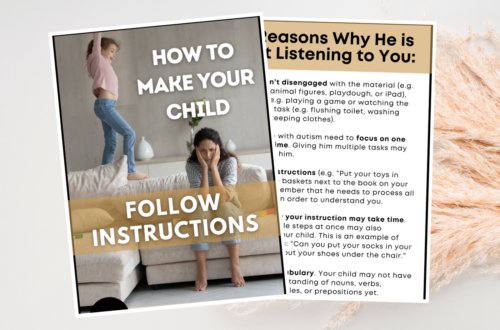
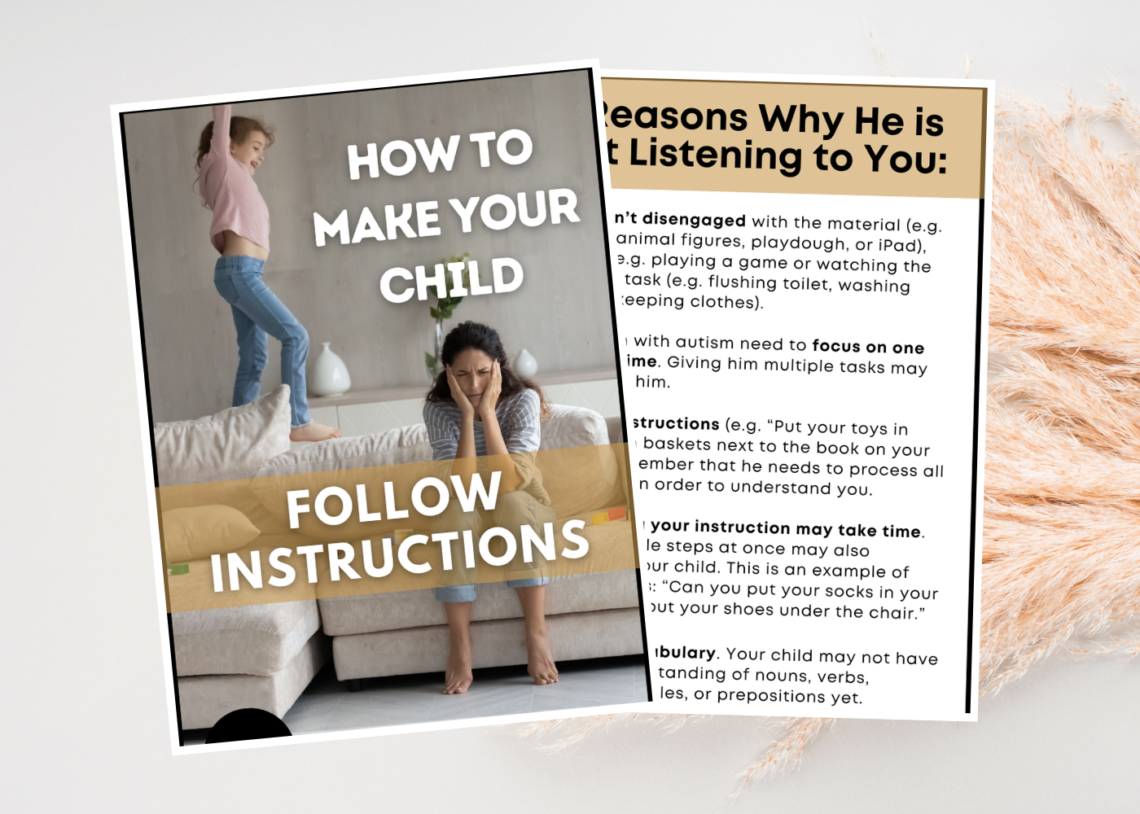
How To Make Your Child Follow Instructions
Written By Quennie Lim Do you feel like your child does not listen even when you repeat yourself again and again? Do you sometimes feel frustrated and wonder if your child is ignoring you? You are not alone. Many parents go through this same challenge every day. The good news is that there are reasons behind it, and there are ways you can help your child improve. Why Your Child May Not Be Following Instructions Understanding the reason behind the behavior is the first step in helping your child. 1. Difficulty stopping an activity Your child may still be focused on something else such as toys, games, videos, or another…
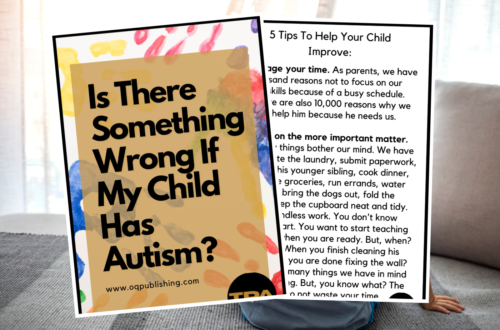
Is There Something Wrong If My Child Has Autism
Written By Quennie Lim Autism Article Layout body { margin: 0; padding: 0; font-family: Arial, Helvetica, sans-serif; font-size: 18px; line-height: 1.8; color: #222222; background: #ffffff; } .container { max-width: 980px; margin: 0 auto; padding: 40px 22px; } .section { margin-bottom: 42px; } .title { font-family: ‘Oswald’, Arial, sans-serif; font-size: 55px; line-height: 1.15; color: #ca9b52; margin: 0 0 20px 0; font-weight: 600; } .subtitle { font-family: ‘Oswald’, Arial, sans-serif; font-size: 28px; line-height: 1.25; color: #ca9b52; margin: 0 0 16px 0; font-weight: 500; } p { margin: 0 0 18px 0; } .two-col { display: flex; gap: 34px; flex-wrap: wrap; } .col { flex: 1 1 420px; } .highlight-box { background: #f8f5ef;…
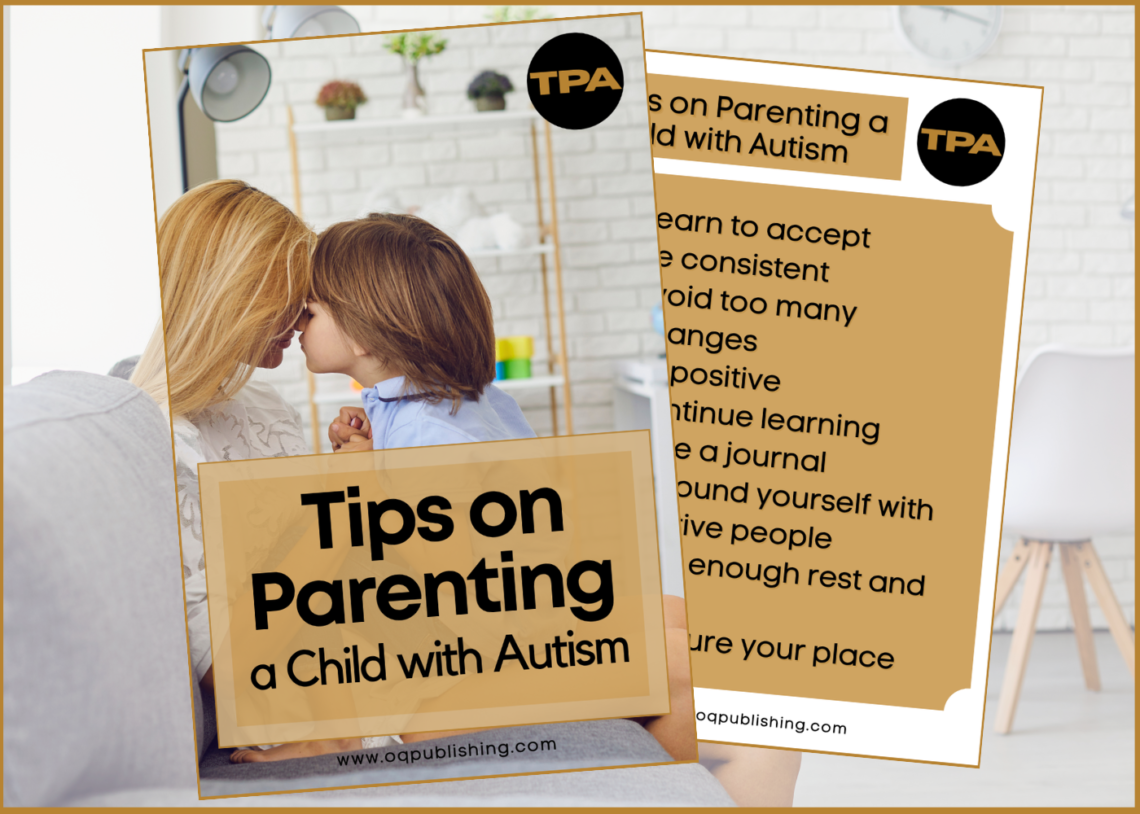
Tips for Parenting a Child with Autism
Written by Quennie Lim Parenting a child with autism comes with unique challenges, but it also brings meaningful and beautiful moments. Here are practical tips to help you support your child while also taking care of yourself. 1. Accept Your Child Fully Hearing a diagnosis can feel overwhelming, and it is okay to take time to process it. But acceptance is powerful. It helps you understand your child better, support their needs, and create meaningful moments together. The sooner you embrace it, the more opportunities you create for growth and connection. 2. Be Consistent Children with autism often do best with routine. When daily activities are predictable, they feel safer…
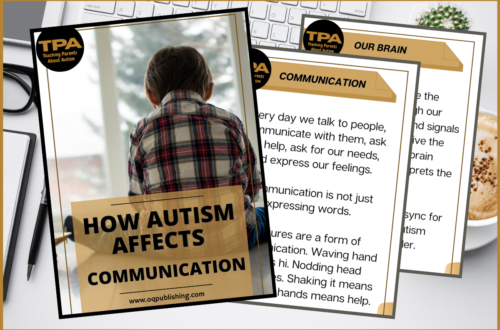
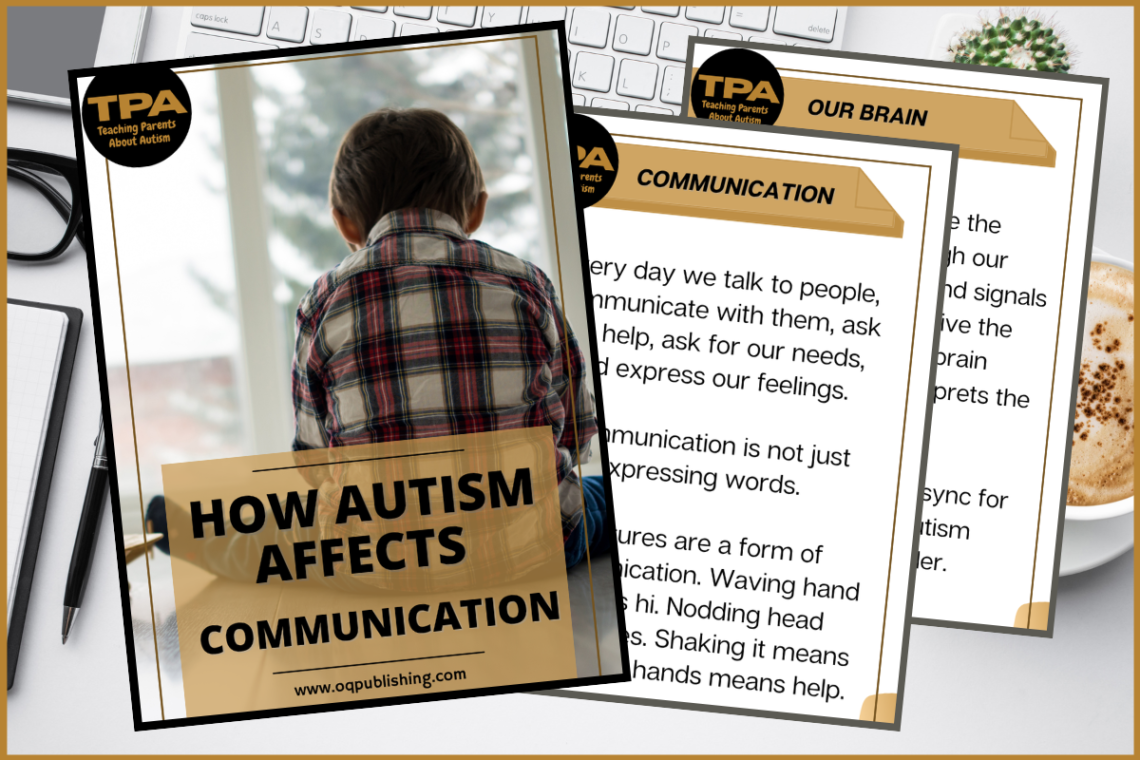
How Autism Affects Communication
Written By Quennie Lim Autism affects many areas of a child’s life—and one of the most important is communication. Every day, we communicate to connect with others. We ask for help, express our needs, and share our feelings. But communication is not just about words. It also includes gestures, body language, facial expressions, and actions. Waving can mean “hi.” Nodding can mean “yes.” Shaking the head can mean “no.” Pulling someone’s hand can mean “help me.” For children with autism, these forms of communication can be challenging. What Happens in the Brain? Communication involves many parts of the brain working together. The brain processes sounds, words, and meaning. The lips,…
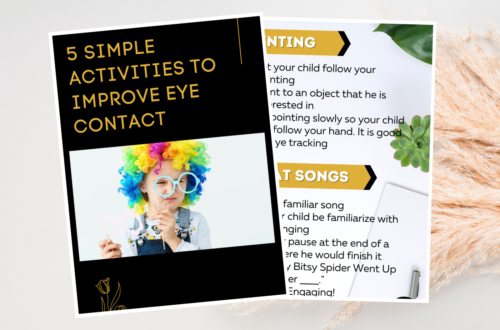
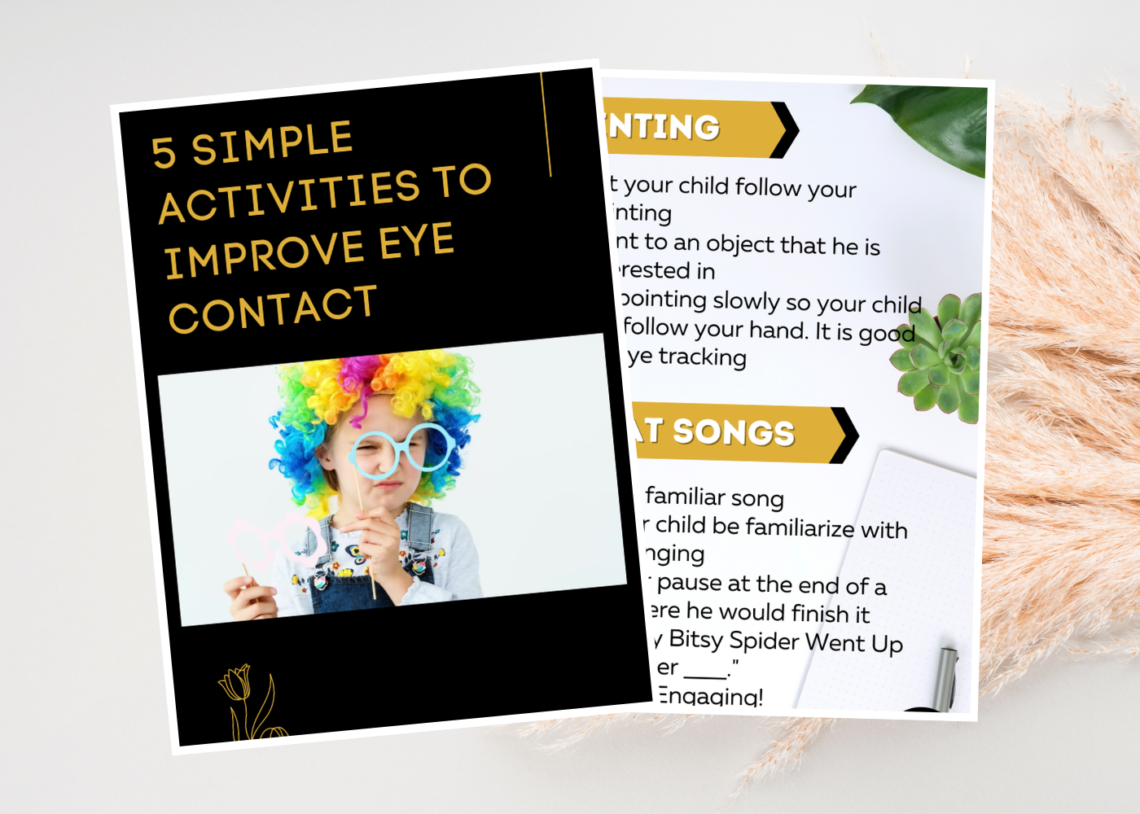
5 Simple Activities to Improve Eye Contact
Written By Quennie Lim Here are 5 Simple Activities to Help Improve Your Child’s Eye Contact Gentle, practical ways to build connection, attention, and interaction at home. Do you find it hard when your child doesn’t look at you while you’re talking or playing? You’re not alone—and more importantly, there is nothing wrong with your child. Eye contact can be challenging for many children with autism. For some, looking into someone’s eyes can feel overwhelming or uncomfortable. The good news is that eye contact can be gently developed over time with patience, understanding, and the right strategies. Here are 5 simple, practical activities you can start using at home. 1.…
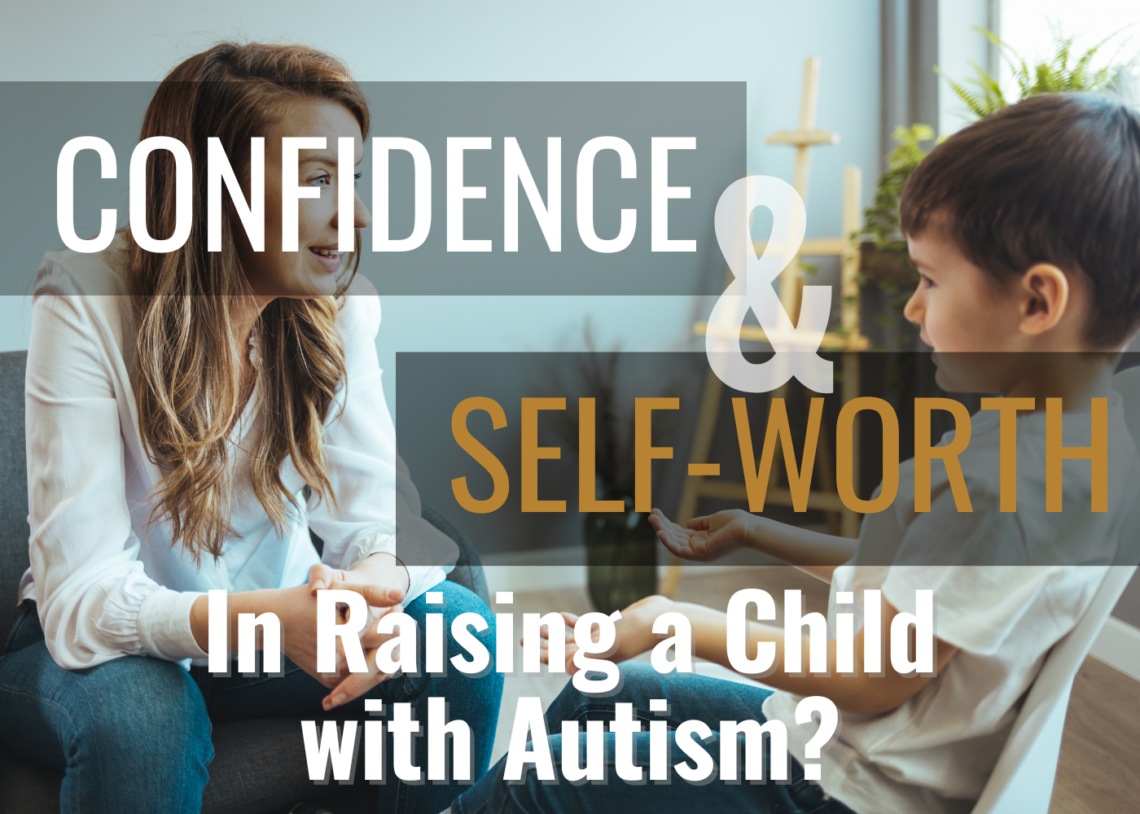
Confidence and Self-Worth in Raising a Child with Autism
Written By Quennie Lim Building Self-Worth as a Parent Gentle reminders to help you grow in confidence, self-acceptance, and inner strength. Parenting can sometimes leave you feeling tired, doubtful, or overwhelmed. You may compare yourself to others or wonder if you are doing enough. But the truth is this: you are doing better than you think. Building self-worth starts with learning to value who you are, not just what you do. Be More Self-Aware Take time to notice your thoughts, emotions, and reactions. When you understand yourself better, it becomes easier to respond with patience, calmness, and intention. Get to Know Yourself You are more than your responsibilities. You are…